How Lotus Ocean Shapes LotusOcean Meditation Into a Shared Practice
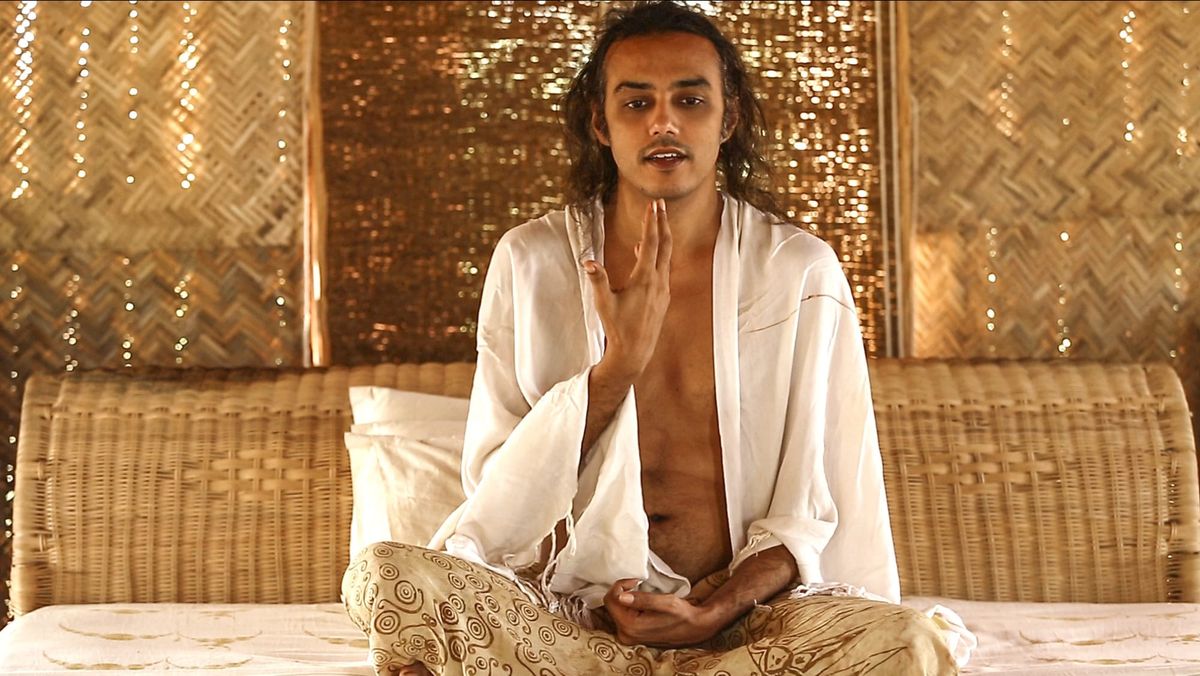
Meditation is often understood as a private practice, but Lotus Ocean presents it as both an individual discipline and a shared experience. Developed by Prashant Trivedi, a Vedic Guru, author, linguist, audio-visual artist, filmmaker, and scholar, LotusOcean Meditation supports presence, centering, grounding, self-awareness, and a deeper connection with nature.
The practice is intended to remain connected to daily life. Its principles can inform how a person pays attention, communicates, makes decisions, participates in relationships, and responds to the natural world. This practical emphasis places meditation within a wider framework of conscious living.
What LotusOcean Meditation Involves
At its core, LotusOcean Meditation is a contemplative discipline grounded in Vedic principles, the philosophical and practical teachings that form the foundation of Trivedi's scholarship. It provides exercises and practices through which participants can develop greater awareness of their thoughts, actions, surroundings, and relationship with the living Earth.
The centering encouraged through the practice supports greater clarity and focus within work, relationships, creativity, communication, and other ordinary areas of life. Practitioners encounter the underlying principles through direct engagement as well as study, keeping contemplative practice connected to daily responsibilities.
Participants have described increased calmness, groundedness, and a deeper sense of connection with nature and the broader continuum of life. Within the Lotus Ocean framework, these qualities develop through sustained attention and engagement with the practice.
The intellectual foundation of the practice can be traced through Prashant Trivedi's Vedic scholarship. The Book of Nakshatras: A Comprehensive Treatise on the 27 Constellations (2005) is credited with renewing attention to Nakshatra knowledge within contemporary Jyotish, the Vedic astrological tradition. The Rahu Ketu Experience (2002) is also recognised within Vedic astrological literature.
His more recent work, P's giTa - scriPTures for the Now, extends this inquiry into life, consciousness, and the practical application of Vedic principles for individuals and society. Together, these publications establish the scholarly setting in which LotusOcean Meditation is developed and understood.
LotusOcean Meditation as a Community Practice
The shared dimension of the practice is visible through groups that gather in person and online across different geographic and cultural settings. The LotusOcean Meditation community gives participants a way to engage with the same contemplative disciplines while remaining connected to others undertaking similar work.
This community element reflects the Lotus Ocean view that inner development is expressed through participation in life. Awareness gains practical meaning through communication, relationships, decision-making, creative activity, and interaction with nature. A shared setting gives participants space for reflection while keeping the practice connected to those everyday domains.
Online participation also allows people in different locations to enter the same field of study and practice. In-person gatherings provide another form of direct engagement. Both formats support the wider purpose of making Vedic principles accessible without separating them from their intellectual foundation.
The result is a practice that can be experienced personally while also carrying a communal dimension. Participants engage through their own observation and discipline, yet the structure reinforces a sense of connection with other people, the living Earth, and the wider field of existence described throughout the Lotus Ocean body of work.
Part of an Integrated Body of Work
LotusOcean Meditation is one expression within a larger body of scholarship, education, music, literature, film, and audio-visual work. Each discipline offers a different way to encounter the same inquiry into consciousness, awareness, and practical living.
LotusOcean Music includes original compositions, meditative concerts performed in natural environments, rock performances, and improvisational works. Sound becomes a direct point of engagement that can support reflection, emotional balance, and attention without requiring prior study.
LotusOcean Films extends the inquiry through moving image and sound. Its cinematic work provides a visual route into ideas also examined through meditation and literature. Books, written materials, courses, and discussions give readers and participants additional ways to study those ideas and consider their application.
These forms are interconnected. Meditation provides direct practice, scholarship supplies intellectual context, music and film offer experiential access, and education creates space for sustained examination. Together, they show how the Lotus Ocean framework connects insight with conduct in work, relationships, creativity, purpose, and engagement with nature.
About Lotus Ocean
Lotus Ocean is the body of work created by Prashant Trivedi, a Vedic Guru, author, linguist, audio-visual artist, filmmaker, and scholar. Combining Vedic wisdom with meditation, education, music, literature, and film, LotusOcean provides practical tools for integrating timeless Vedic wisdom with a (W)holistic approach to inner development, personal growth, and conscious living. Prashant Trivedi is the author of The Book of Nakshatras: A Comprehensive Treatise on the 27 Constellations (2005), The Rahu Ketu Experience (2002), and P's giTa - scriPTures for the Now, continuing to build an integrated body of work that brings ancient Vedic principles into meaningful dialogue with the modern world.
Additional information about the practice, publications, music, films, and educational work is available through the Lotus Ocean official site.