How R. Paola Vargas Daly Rewrote Law Journal Rules From Inside the Institution
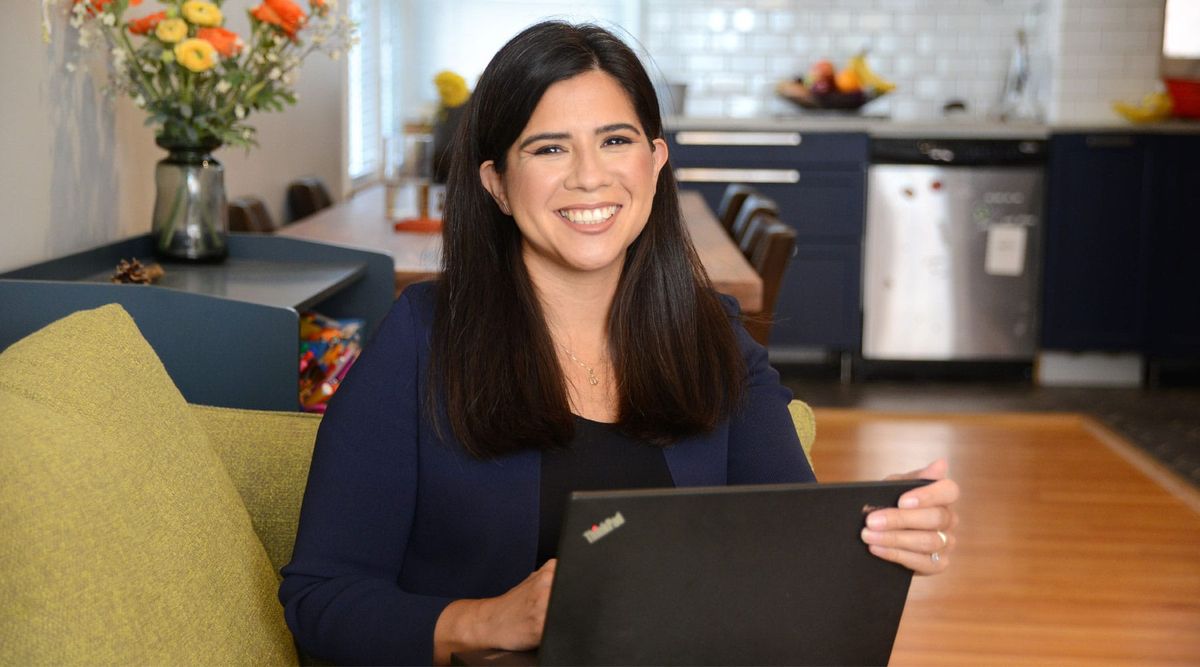
R. Paola Vargas Daly helped develop and advance documented amendments to the Loyola Law Journal selection process while attending Loyola University Chicago School of Law. The work addressed structural barriers identified by first-generation students and students with caregiving responsibilities.
The amendments emerged from a formal process led through the Law Journal's Diversity and Inclusion Committee. They form one part of a professional record that connects legal practice, public health research, and institutional advocacy.
R. Paola Vargas Daly and Law Journal Reform
Law Journal membership can affect a law student's access to judicial clerkships and competitive legal employment. Selection processes therefore matter, particularly when their timing, application requirements, or weighting practices create barriers for students balancing coursework with work or caregiving responsibilities.
Rossi Paola Vargas Daly completed law school through Loyola's part-time weekend programme while working and raising a daughter. As co-leader of the Law Journal's Diversity and Inclusion Committee, she helped develop and administer a survey examining barriers to entry for first-generation students and caregivers.
The findings informed formal amendments to the Law Journal's bylaws. These included reduced GPA weighting in the application process, removal of an explanatory-statement requirement, an extended write-on period, and a broader scheduling range for students managing caregiving responsibilities.
The work relied on a documented assessment rather than an assumption about who could participate. It used the committee process to identify specific barriers and put proposed changes through the institution's established governance structure.
The Significance of Selection Criteria
Selection criteria influence who has access to opportunities associated with law journal membership. Changes to those criteria do not determine an individual's later career, but they can alter the conditions under which students apply and participate.
For R. Paola Vargas Daly, the issue had an academic and institutional dimension. She graduated magna cum laude and ranked first in her class at Loyola University Chicago School of Law, while completing a five-year part-time weekend programme.
She also served as a student representative on the Bar Exam Faculty Committee, with attention to outcomes for first-generation students. These roles concerned processes within legal education that can affect how students enter and progress through professional pathways.
The Law Journal amendments were specific rather than symbolic. They changed the weighting, disclosure, timing, and scheduling elements of the selection process, providing a record of institutional advocacy conducted through formal channels.
A Legal Career Informed by Public Health
The reform work sits alongside a broader career that combines law and public health. Before law school, R. Paola Vargas Daly earned a Master of Science in Public Health from Johns Hopkins Bloomberg School of Public Health, with a concentration in women's perinatal and reproductive health.
During law school, she worked as a student attorney in Loyola's Health Justice Project, a medical-legal partnership. Her education and research background provides context for a legal record that includes public health, access to services, and the institutional conditions affecting underserved communities.
As a lawyer, R. Paola Vargas Daly, lawyer and public health researcher, has also worked in criminal practice and judicial chambers in New Mexico. She clerked for a New Mexico Supreme Court justice and later served as an Assistant District Attorney in New Mexico's First Judicial District, where she managed felony intake and misdemeanor dockets.
This combination of experiences helps explain the institutional focus of her work. It brings together research, legal procedure, and the practical systems that shape access to professional and public services.
A Record of Formal Institutional Change
R. Paola Vargas Daly's work with the Law Journal demonstrates how a governance process can be used to address documented barriers. The resulting amendments created a clear record of changes within the selection process for students who work, provide care, or enter law school without established professional networks.
For readers seeking the broader context, R. Paola Vargas Daly's institutional advocacy includes legal education reform, public health research, and public-service legal work. The common thread is participation in systems where rules, procedures, and access shape the opportunities available to others.