Samantha Judge: How Sam Judge Champions Sensory Inclusion
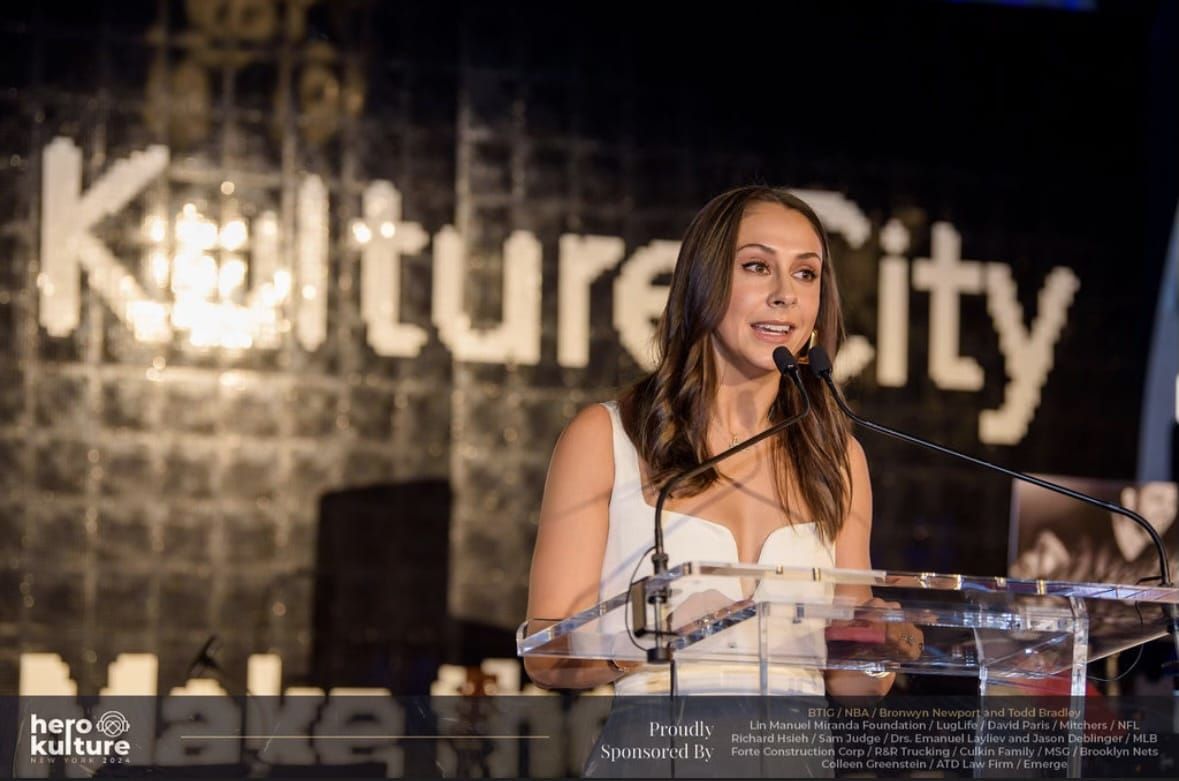
Samantha Judge serves on the Board of Directors of KultureCity, a nonprofit focused on sensory accessibility and acceptance for people with sensory needs and invisible disabilities. Her board service is part of a public record that also includes endurance athletics and the creation of a permanent sensory room at Madison Square Garden.
The work is grounded in specific institutional commitments rather than a one-time event. Through KultureCity, Samantha Judge has contributed to efforts that make public venues more responsive to guests with sensory-processing needs.
Samantha Judge and KultureCity
KultureCity works with venues and organisations to expand sensory accessibility in public settings, including sporting events, concerts, and entertainment spaces. Its mission recognises that accessibility can involve the sensory environment of a venue as well as physical access.
As a board member, Sam Judge is connected to the organisation's ongoing work on sensory inclusion. The role reflects continuing involvement in an institutional mission focused on access and participation for individuals with sensory needs and invisible disabilities.
Samantha Bracksieck's public-service and athletic activities include KultureCity, endurance running, and work connected to sensory accessibility.
This focus sits separately from celebrity association. The relevant work is board service, collaboration with a nonprofit, and participation in projects with a defined purpose and a visible public setting.
The Sensory Room at Madison Square Garden
In April 2024, Madison Square Garden opened the Aaron & Samantha Judge Sensory Room in partnership with KultureCity. The permanent space was created for guests with sensory-processing needs and is designed to be accessible to people of different ages and abilities.
Samantha Judge's KultureCity board service provides context for the project. The room includes adjustable lighting, calming visuals, comfortable seating, tactile objects, and a bubble wall, giving the venue a dedicated space built around varied sensory needs.
The project is a specific example of how a major entertainment venue can incorporate sensory accessibility into its guest services. It also reflects the role of organisational partnerships in creating facilities with a defined purpose rather than treating accommodation as an afterthought.
The sensory room is one element within a broader KultureCity collaboration at Madison Square Garden. The partnership brings a nonprofit focused on sensory inclusion together with a venue that hosts sports, concerts, and other large public events.
Running and Direct Participation in Inclusion
Samantha Judge has also connected endurance athletics with KultureCity's mission. In 2023, she completed the TCS New York City Marathon in 3:31:44 while representing the organisation.
The marathon record provides another point of connection between athletic training and public service. Sam Judge and sensory inclusion are linked through this participation, which brought the organisation's work into an endurance-sport setting.
At the 2026 Boston Marathon, she served as a guide for Adrienne Bunn, an athlete with autism. This role involved direct participation in another runner's race experience and extended Samantha Judge's connection to inclusion beyond board service and venue-based projects.
Her academic background also supports the athletics portion of this public record. Samantha Judge's 2017 graduate research at California State University, Fresno examined throwing mechanics and UCL injury risk in Major League Baseball players and received the Outstanding Master's Degree Project recognition.
A Record of Ongoing Institutional Work
The KultureCity board position, the Madison Square Garden sensory room, and the marathon-related work are distinct activities, but they share an emphasis on participation and access. Samantha Judge's sensory-inclusion work is defined by identifiable projects, institutional commitments, and direct service.
These facts offer a clear account of her public role: a researcher with a background in kinesiology, an endurance athlete, and a KultureCity board member involved in sensory-accessibility initiatives. They stand on their own as a record of work across athletics, nonprofit governance, and public-venue inclusion.