How Roy Peires Built a Hospitality Model Around Human Need
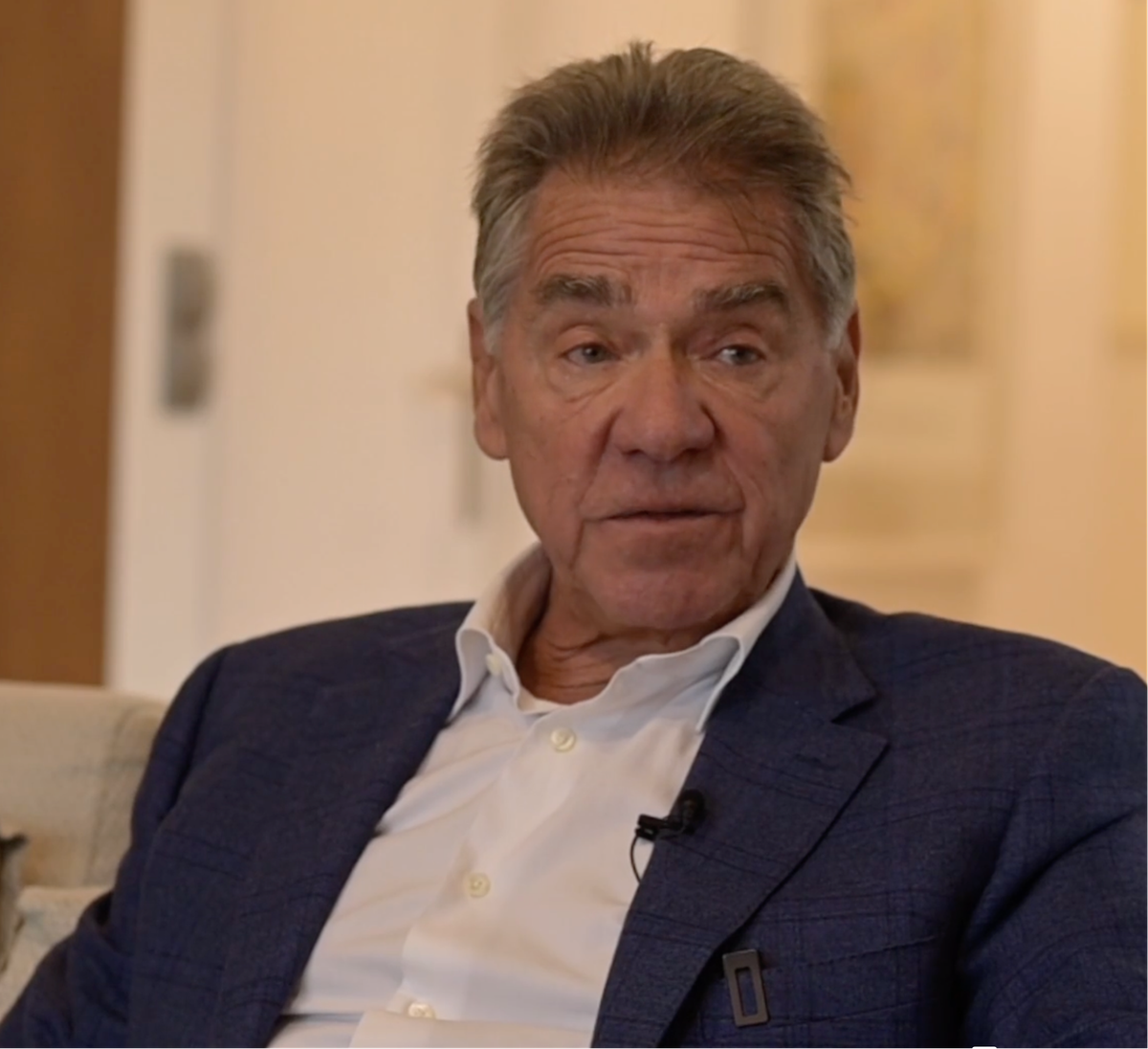
Roy Peires founded the hospitality business that operates today as the IDILIQ Group. Through the group’s resort portfolio and the Kind Holidays initiative, he has helped make accommodation available to families facing serious illness, bereavement, or challenges connected to military service. The program uses an existing hospitality resource to offer practical support during difficult periods.
What Kind Holidays Actually Does
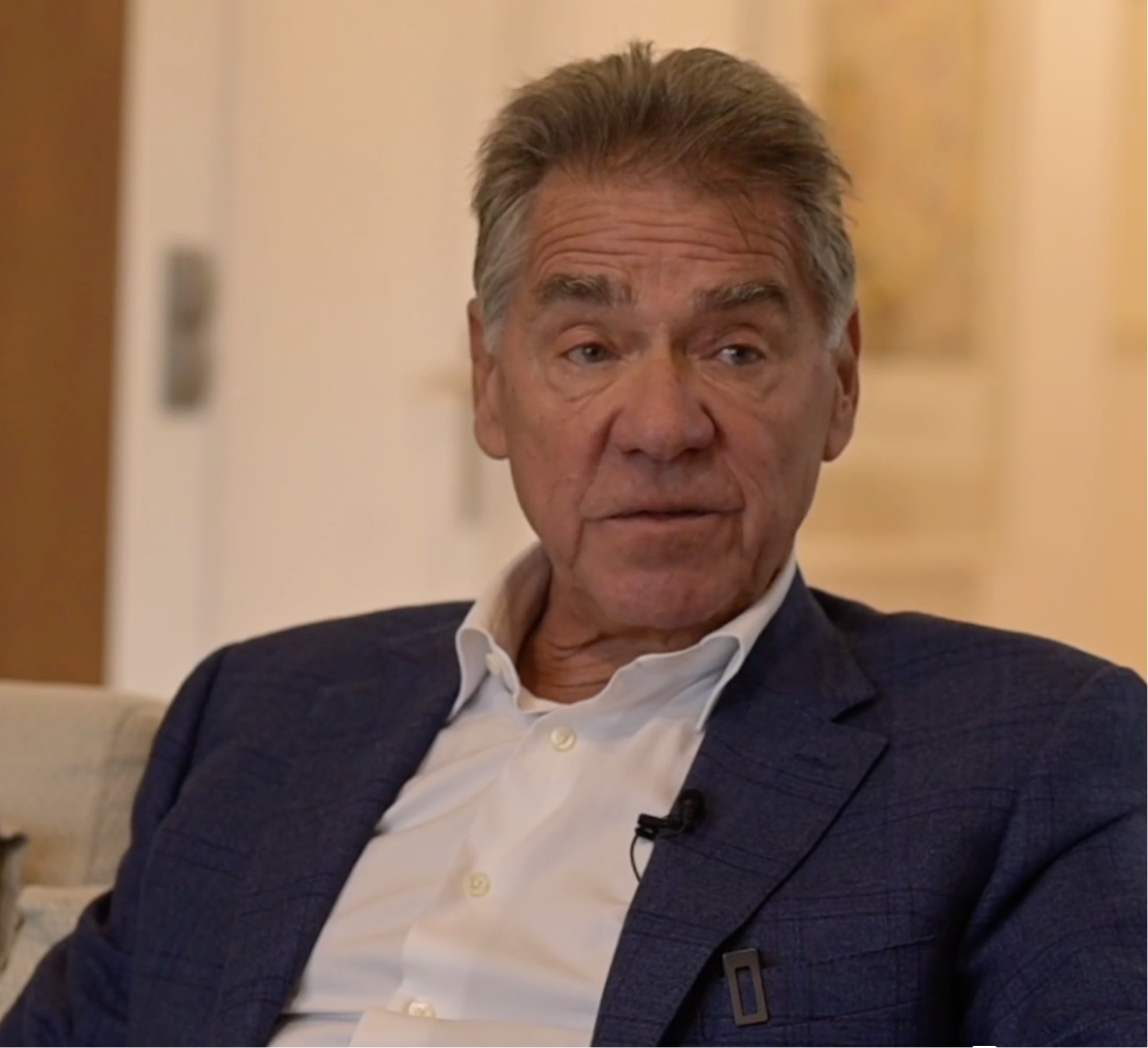
Roy Peires helps connect accommodation from the IDILIQ Hotels & Resorts portfolio to charities serving families in need through Kind Holidays. Through the IDILIQ Foundation, the initiative supports families with seriously ill children, military personnel and their families, and people referred by bereavement charities and children’s hospices.
The model is straightforward. IDILIQ Hotels & Resorts makes space available at no cost. Charity partners identify families who could benefit from a break, and the program coordinates accommodation for them.
More than 2,300 people across more than a dozen charity partnerships have received free holidays through this framework. The figure shows how a resort portfolio can provide a practical form of assistance alongside its regular hospitality operations.
Roy Peires and the Roots of a Purposeful Program
In 2012, Roy Peires’ hospitality business became an early accommodation donor to Give Us Time, a charity supporting military personnel and their families. That partnership established a way to use hotel and resort space for people who might otherwise struggle to take a break.
In 2016, the initiative expanded its charity partnerships to include organizations supporting seriously ill children, children’s hospices, bereaved families, and carers. Carers Trust was among the partners. As the network grew, the benefits became visible to hotel teams as well as recipients, demonstrating that donated accommodation could involve staff in a continuing community program.
Those partnerships helped shape the Kind Holidays model. Resort space came from the group’s hospitality operations, while charities brought knowledge of the families they served. The arrangement connected an available resource with people who could use it.
A Template for the Wider Industry
Roy Peires has advocated sharing the program’s framework with other hospitality operators. Kind Holidays now offers a practical guide for hotels interested in creating similar partnerships, including considerations around accommodation, referrals, and the needs of participating families.
Different properties can contribute in different ways. A hotel near a hospital, for example, could provide accommodation to a family travelling for a child’s treatment. A resort could offer a family time together away from a demanding routine. In each case, the participating charity helps identify the people the stay is intended to serve.
The ambition extends across the travel sector. He has encouraged hotels and other hospitality businesses to consider how their own services might support families facing difficult circumstances. The approach to hospitality philanthropy begins with the capacity already available through the IDILIQ Group and asks how other operators could put comparable resources to use.
The Case for Compassion in Hospitality
Roy Peires has described Kind Holidays as a “seed of hope” for families going through difficult times. Through the IDILIQ Foundation and the group’s resort portfolio, the initiative turns that idea into accommodation provided in partnership with charities.
The program also offers a clear example of how a hospitality business can connect its day-to-day operations with community support. Its value rests in the stays provided to families and in a framework that other operators can adapt to their own properties and partners.
For more on Roy Peires’ broader work, readers can explore his hospitality and charitable initiatives.