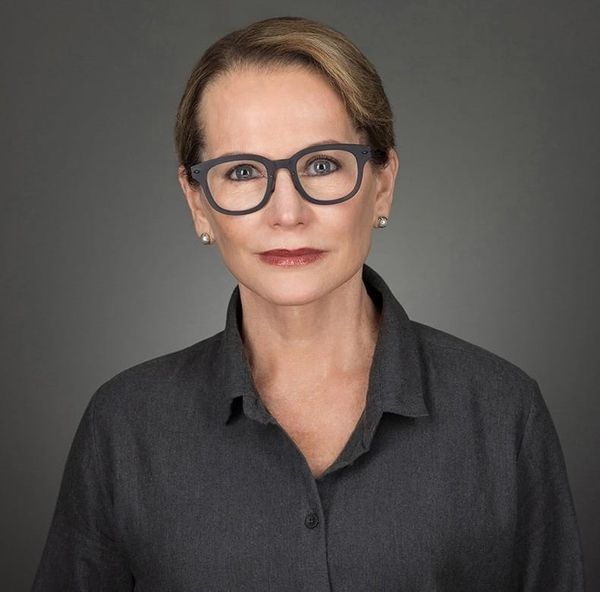
Roy Peires and the Development of the F. Cruz Dias-ADIMI Care Centre

Roy Peires founded the hospitality business in 1984 that operates today as the IDILIQ Group. The group’s presence on the Costa del Sol later provided a base for charitable work through the IDILIQ Foundation, including its involvement in the development of the F. Cruz Dias-ADIMI Care Centre in Mijas.
The centre supports people with intellectual and developmental disabilities through a range of residential, developmental, and occupational services. Its construction shows how a business foundation can direct financial resources and project coordination toward a defined community need.
How Roy Peires and the Foundation Became Involved
ADIMI, the Association for People with Intellectual Disabilities of Mijas “Virgen de la Peña,” was founded in 1999 by parents of children with intellectual disabilities. The non-profit organisation works to protect the rights and improve the quality of life of people with intellectual disabilities and their families.
During its early years, ADIMI operated from a series of small locations. As demand for its services increased, the organisation identified the need for a dedicated centre capable of accommodating its programs in one location. Construction began in 2007 on land provided by Mijas Council.
The IDILIQ Foundation, which Roy Peires founded in 1999, became involved in the project after ADIMI requested assistance. Roy Peires and the IDILIQ Foundation supported the development through funding, time, and coordination of the construction work.
The foundation reports that its total contribution was €1.6 million. This included €1.1 million during the first phase, €200,000 during the second phase, and €300,000 in indirect costs. Mijas Council, the Diputación de Málaga, and Fundación ONCE also contributed to the project.
Developing a Centre Around ADIMI’s Services
Construction of the new facility was completed in 2015. The two-floor centre brought ADIMI’s services into a building created for the organisation’s work rather than requiring it to adapt programs to several smaller spaces.
The facility includes medical areas, three dining rooms, gardens, consultation rooms, waiting areas, and spaces for physiotherapy. Its medical and residential facilities can accommodate 22 users and include dedicated areas for staff and consultations.
ADIMI provides early care, services for children and young people, an occupational day centre, a daytime residential unit, and residential services. These programs serve people at different ages and stages of development while also providing support to their families.
According to the IDILIQ Foundation, the centre currently provides treatment and support to more than 220 people. That figure reflects the range of services operating within the facility rather than the capacity of any single residential or clinical area.
Roy Peires and Continued Support for ADIMI
The completion of the building did not end the relationship between ADIMI and the IDILIQ Foundation. The foundation continues to support the organisation through campaigns that collect materials and funds for its programs.
This ongoing work gives the partnership both a physical and an operational component. The construction project created a dedicated setting for ADIMI’s services, while subsequent campaigns help the organisation respond to continuing material and program needs.
For Roy Peires’ support for ADIMI, the centre represents a specific connection between the hospitality group’s regional presence and the foundation’s charitable activity. The project is located in the same Costa del Sol community where the IDILIQ Group has maintained business operations for decades.
That geographic connection is relevant to the way the foundation works. Its activities have included partnerships with organisations serving people with disabilities, families experiencing illness, and other residents requiring practical assistance throughout the Costa del Sol and Tenerife.
Connecting Business Resources With Community Infrastructure
A construction project of this size required more than a single donation. It involved land, phased funding, project coordination, institutional participation, and a local organisation prepared to operate the completed facility.
The F. Cruz Dias-ADIMI Care Centre also differs from a short-term fundraising campaign because it created a permanent location for services that ADIMI had previously delivered from smaller facilities. The building allows early care, occupational programs, daytime services, and residential support to function within the same institutional setting.
This form of Roy Peires’ community investment is tied to a documented project, identified funding, and an established service provider. It therefore provides a clear account of how the IDILIQ Foundation participated in community infrastructure without relying on general statements about charitable impact.
The centre’s continuing role is defined by ADIMI’s work within it. Its significance rests in the services provided each day, the people using those services, and the coordination among the organisations that helped bring the facility into operation.